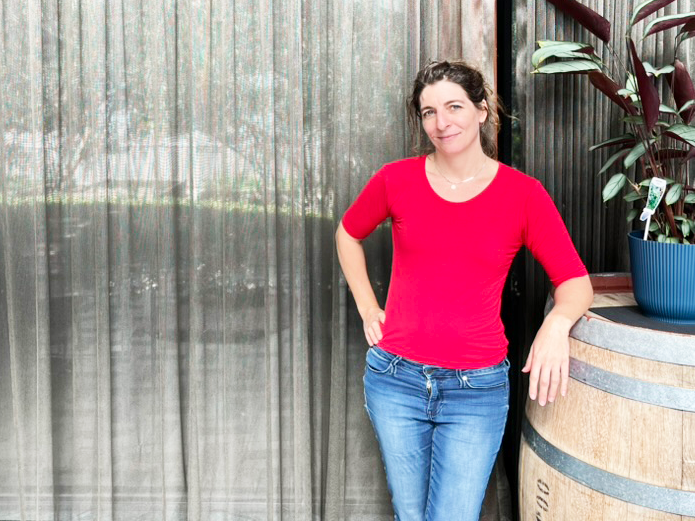
For more than two decades, Annie Rily has dedicated her career to supporting people with disability in some of Australia’s most remote communities. Today, as CEO of Carpentaria Disability Services, that commitment remains unchanged.
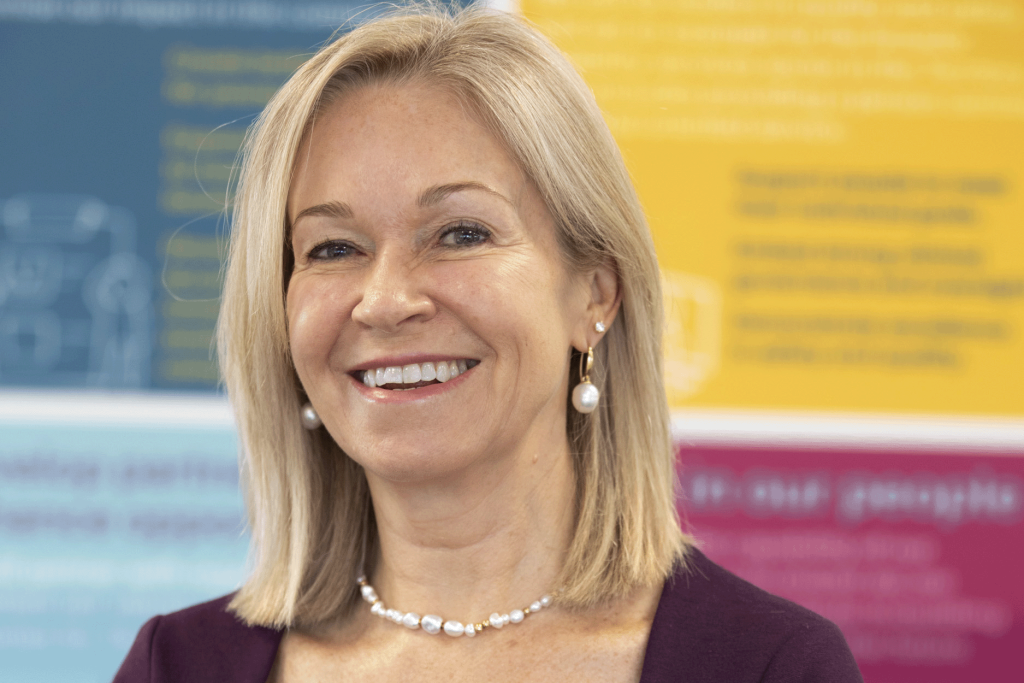
When she first arrived in the Northern Territory in 1989 as a newly graduated speech pathologist, Annie could never have imagined the impact the experience would have on her life and career.
In those early years, Annie worked closely with people living with disability and their families, building her understanding one relationship at a time.
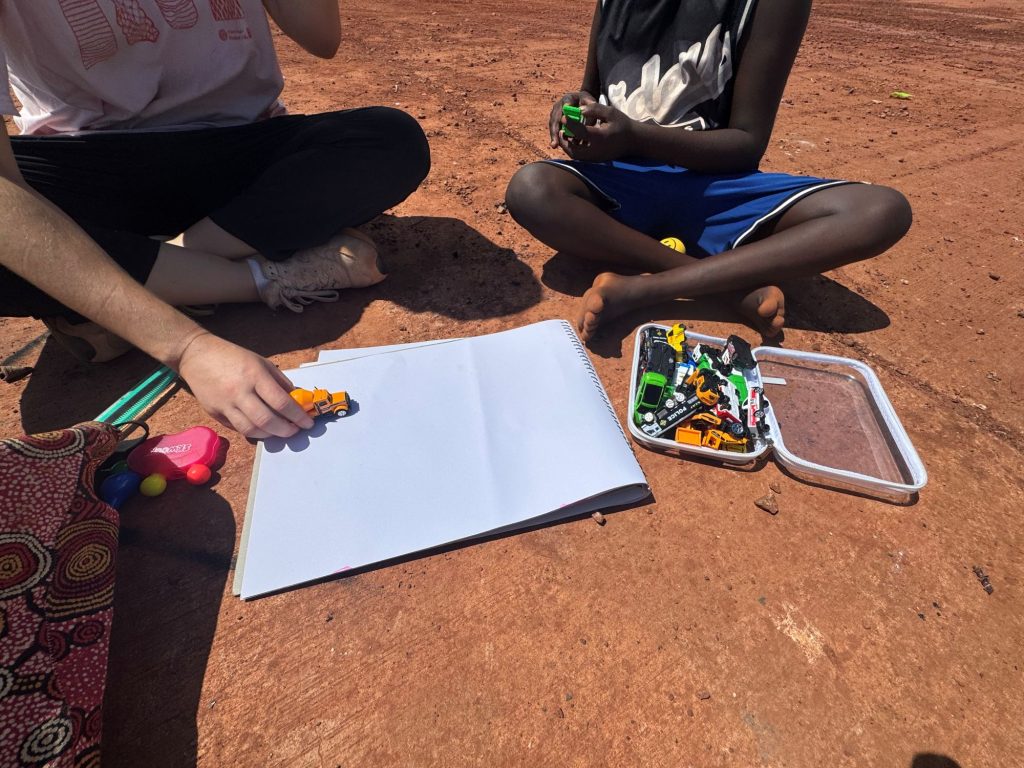
Working across East Arnhem Land, she became immersed in remote communities with little access to support. She worked alongside people with disability navigating a system that overlooked their needs, and families carrying immense responsibility on their own.
Before long the realities of a system failing the most vulnerable became impossible to overlook.
The scale of inequality ignited a drive in Annie that still defines her leadership today – not only as responsibility to do more, but also determination to do better.
Evolving leadership through SILA
Decades later, the opportunity to join the SILA program came at a time when the disability sector faced new challenges. For-purpose organisations were being crowded out by profit-driven enterprises, and as CEO of Carpentaria, Annie felt a growing urgency that her leadership needed to evolve, not just to meet the demands of what lay ahead, but to influence the future of the sector itself.
“I’d done lots of leadership courses,” she reflects. “But SILA stood out as something that offered more than just corporate CEO training.”
“I felt like SILA could be much more transformative for me. Other courses can teach you knowledge and practical skills, but SILA teaches you how to lead in a way that creates meaningful social impact.”
With hindsight, Annie now sees just how well SILA managed to teach her a new depth of leadership.
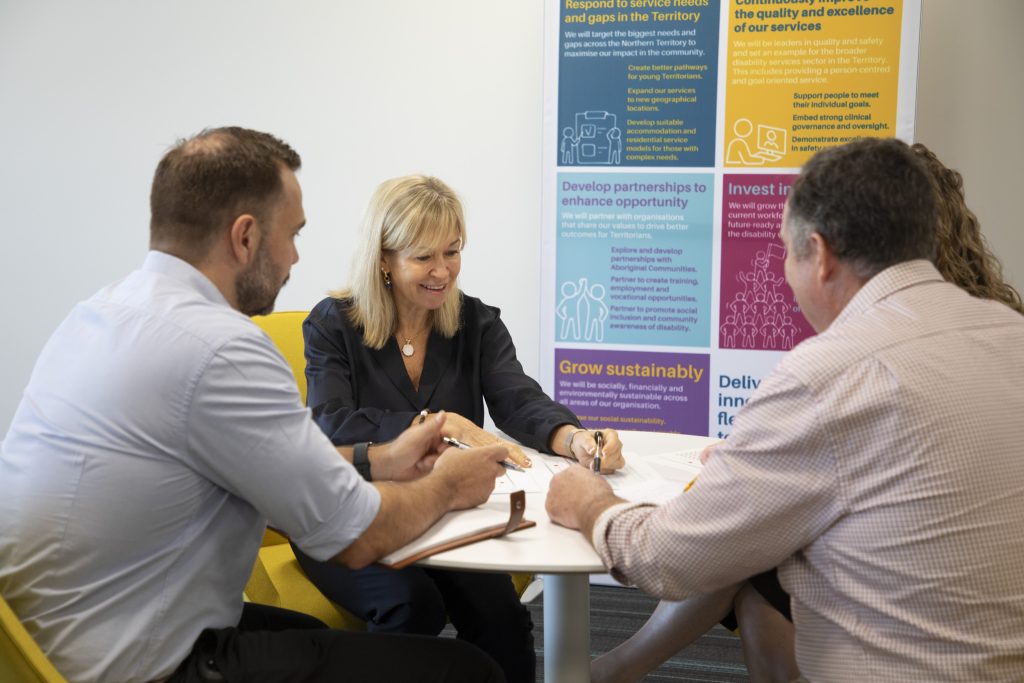
“I feel like I’ve gotten my whole self out of the way,” she explains. “I’m now much more closely connected to the purpose of the organisation. I feel stronger and more able to step into difficult situations.”
Looking back on her final days in the program, Annie believes the intensity of the experience is exactly what makes the outcome so valuable.
“SILA was one of the most challenging things I’ve done, yet looking back, I am so incredibly glad I did it,” Annie says.
“I walked away from the final session in Alice Springs with a profound sense of achievement. If you are prepared to go ‘all in’, the expectations are high, but what you get back is even greater.”
Fast-tracked growth to drive social impact further
As CEO of Carpentaria since 2017, Annie leads by example, and since completing the SILA program she has seen a ripple effect across the whole organisation.
“We’ve fast-tracked years of growth,” Annie says. “There’s a real sense that everyone is here for the same reason.”
At its core, Carpentaria exists to empower people with disability to live their best lives. That mission runs through every layer of the organisation, from leadership to the frontline. In homes and communities, Carpentaria builds trust and creates possibilities where others often don’t.
“We always do the hard things,” she says. “We go where no one else does.”
Its impact is best seen in the lives changed along the way.
Annie shares the story of a young man who had been repeatedly failed by the system.
Before Carpentaria, his days were spent being driven around town with no engagement, no sense of connection, and no progress. His family, exhausted and heartbroken, had run out of options.
Carpentaria created an entirely new support environment for him, including a dedicated home and a tailored approach, with a team committed to seeing possibility where others had seen limits.
Over time, a relationship built on trust and consistency opened up a new world for this young man and his family.
Today, he participates in group activities, is building friendships, and is moving towards independent living while his parents have been able to return to being parents.
“They’re not just carers anymore,” Annie says. “They can just be with him.”
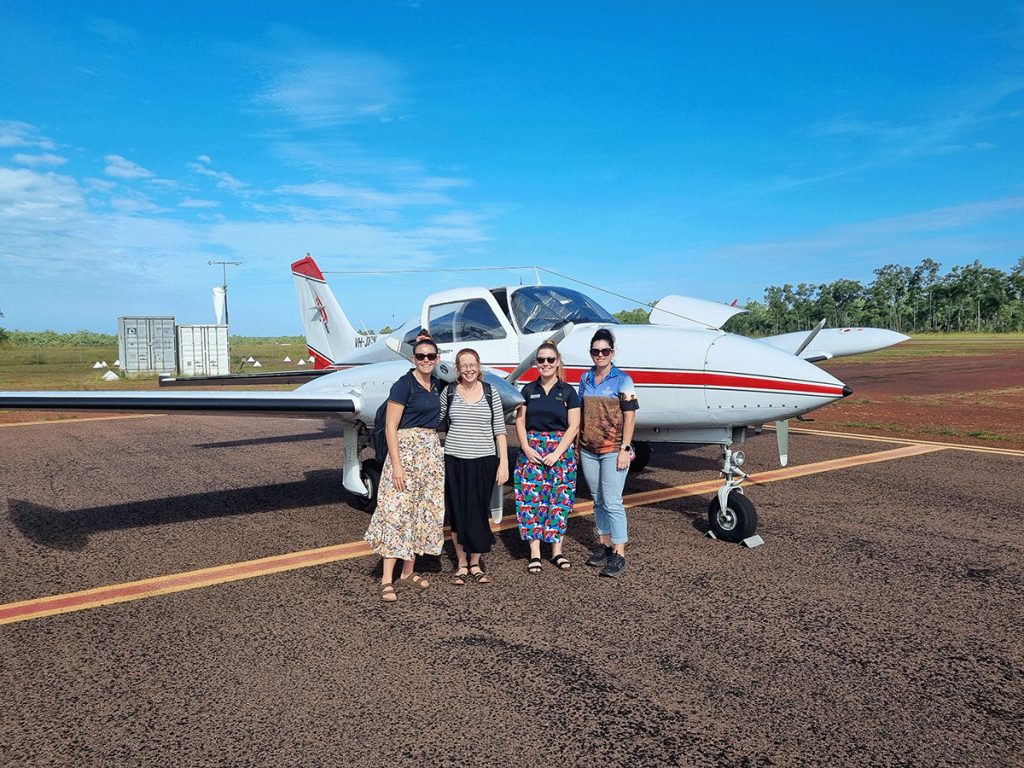
Since completing the SILA program, Carpentaria has expanded further into remote communities where services are scarce, and need is great. But true to Annie’s ethos, this is not about imposing solutions. It is about listening to communities, building local capability with dignity and possibility, and ensuring that continues long after they leave.
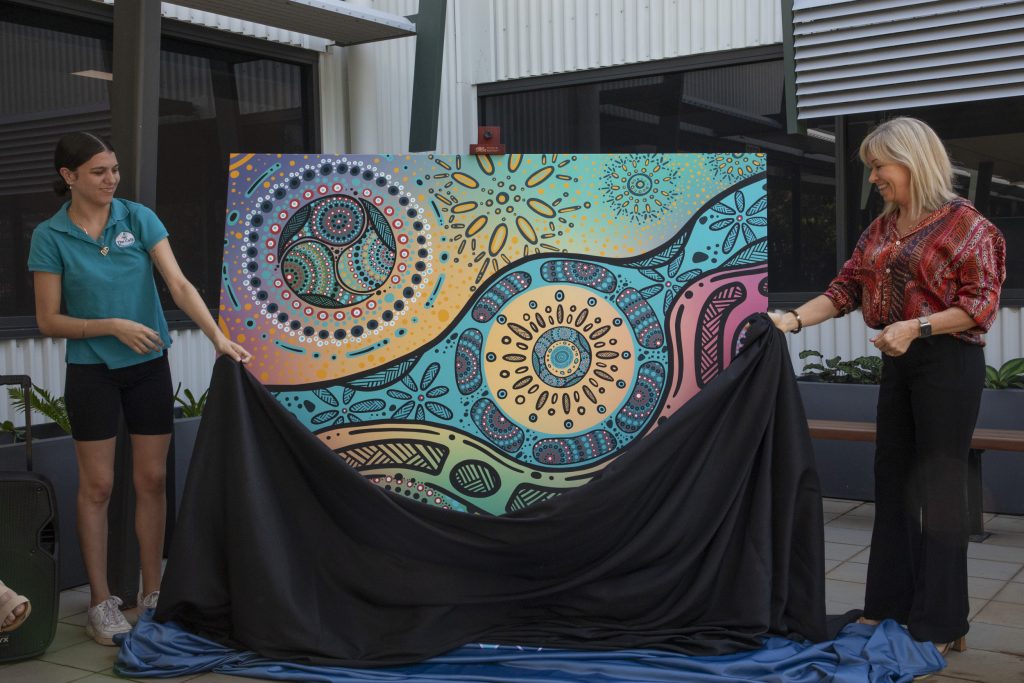
This is the work that Annie has always been driven to lead, but SILA has strengthened how she leads it.
“The transformative process of SILA is still playing out within me. Personally, and professionally,” she says.
“But I’m not doing it alone. SILA doesn’t just build individual leaders; it builds a powerhouse network of change makers.”
Annie says she is already counting down to the program’s next major milestone, a cross-cohort reunion in Adelaide this August.
“Being back in that room is about more than just reconnecting; it’s a chance to see how far we’ve all come and to witness how that transformative process is continuing to reshape our sectors.”
And for those considering the SILA journey?
“I would absolutely recommend it, but you have to be ready,” she says. “You cannot be passive. You have to be prepared to open yourself up and have the courage to change.”
Because for Annie Rily, leadership isn’t about learning more. It’s about becoming more for the people who need it most.